
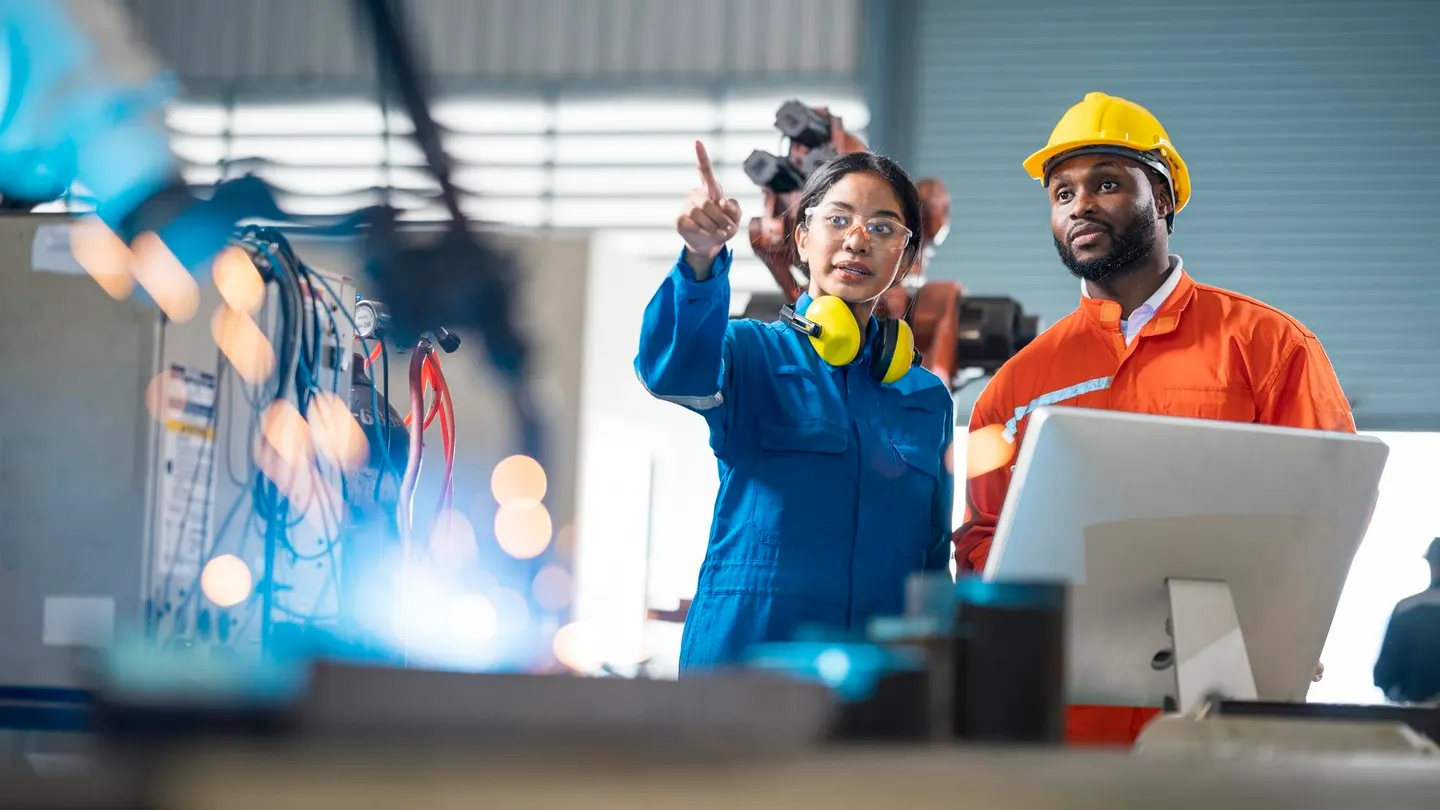
The construction industry continues to be one of the most hazardous sectors, with 51 workers tragically losing their lives due to on-site injuries—a figure more than double that of other high-risk industries like agriculture, forestry or fishing.
Construction workers are often exposed to challenging environments, hazardous materials, and physically demanding tasks. Without the right safety measures and protective equipment in place, the risk of serious incidents significantly increases.
For instance, during asphalt surfacing and paving, the hot mix of asphalt reaches a temperature of 135°C to 150°C. Workers are susceptible to burns if they are not wearing protective gear, such as boots and gloves.
And it’s not just construction workers, but also contractors and suppliers who need to practice caution. For example, many aggregate suppliers in Northampton and bigger cities in the UK are mandated to wear helmets, safety goggles, gloves, ear protection, and high-visibility clothing, especially in operation zones.
Today, we’ll look at some of the dangers associated with this sector and how we can avert them.
1. Quarrying for Aggregates
Have you ever wondered how the natural aggregates are being procured? Many of us don’t even bother to think, let alone ask.
Aggregates are a key component in the construction industry, and hence it’s preferable to use recycled aggregates over natural ones, as it’s a sustainable and safe alternative.
However, quarrying for aggregates is highly dangerous. Some potential hazards include getting injured by falling rocks or heavy machinery and being exposed to dust, explosives and loud noise. All these can have a fatal impact on the worker’s health, including respiratory illness, eye irritation, skin concerns, hearing damage, broken bones and more. Proper protocols, training, and safety gear can help minimise the risk to a great extent.
2. Working At A Height
Working at a height, whether on a bridge, roof, or high-rise building, is a common risk for engineers and labourers in the construction industry. Almost half of all on-site accidents occur when workers slip and fall from high ground.
The risk is further increased when there are space limitations, which restrict movement. To add to that, weather conditions such as rain, snow, fog or storm can further increase the risk of accidents.
To avoid accidents and ensure safety, workers must have access to safety gear like harnesses and helmets. Additionally, site managers must stay updated about weather conditions and prevent labourers from working on scaffolding in unfavourable conditions. Proper guard rails must also be added to the edges to prevent slips and falls.
3. Using Power Tools
Many construction workers suffer from hand-arm vibration syndrome (HAVS) or blue fingers. This medical condition can occur when a worker constantly uses handheld vibrating tools such as chainsaws and grinders. Workers might experience tingling and numbness in their fingers and arms, painful joints, muscle weakness and loss of strength.
To avoid this debilitating condition, proper precautions must be taken, including wearing protective gear, taking regular breaks, having rotational duties to limit exposure and proper maintenance of the equipment to prevent further injuries from malfunctioning.
4. Asbestos Exposure
Asbestos exposure can prove to be extremely deadly. While modern construction sites no longer use asbestos, those who work on older buildings or do restoration and demolition work are often exposed to this material. Inhaling asbestos can lead to asbestososis (workers can experience shortness of breath, coughing and scarring of lung tissues) and in worst cases, lung cancer.
The Control of Asbestos Regulations 2012 and other UK laws specify the best practices and safety measures that site managers must adhere to in order to lower the risk of asbestos exposure. This includes conducting an asbestos survey before starting work on older buildings. Workers must wear protective clothing, receive proper training, and ensure safe working practices to minimise the dangers.
5. Getting Electrocuted
From using power tools to on-site lighting, workers are constantly exposed to electrical equipment and power lines. Being exposed to a live wire can lead to electrocution and, in worse cases, death. Some common ways in which workers can get electrocuted are by working in wet conditions (rain or snow), working with damaged or improperly maintained tools and coming into contact with overhead or underground lines.
To prevent accidents, on-site employees should receive the appropriate training. Additionally, site managers should stop all operations when it begins to rain or snow. Finally, all tools must be kept in good condition to avoid mishaps and accidents.
In Conclusion
The onus of worker security lies with the management as well as the worker themselves. Site managers must make sure that workers have access to personal protective equipment and they’ve been properly trained. Similarly, workers need to pay utmost attention to the work at hand and avoid overworking themselves.
Accidents can happen, especially in highly hazardous situations such as a construction site. It can, however, be largely prevented with the right safety measures.