
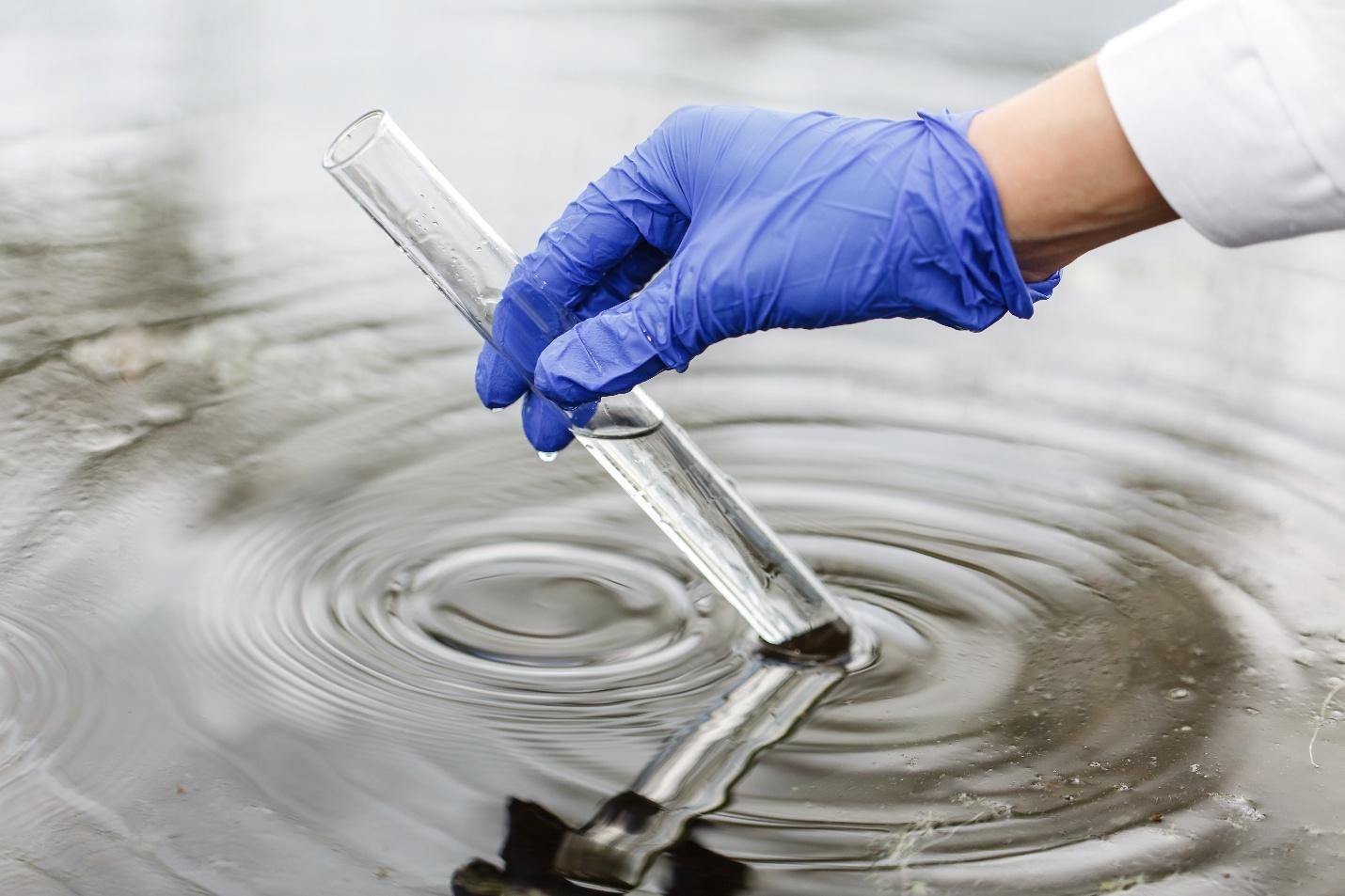
Water is an essential part of our daily life, and clean water is very important for a healthy life. We use water for drinking, cooking, bathing, and cleaning. Water can cause many health problems if it is not safe to use. Sometimes water may look clean, but it can still contain harmful germs or chemicals. That is why regular water testing is necessary. Water checking helps make sure that the water we use is safe and healthy.
Below are some major reasons why regular water testing is important.
Prevents Diseases
One of the main reasons for testing or checking water is to prevent diseases. Dirty water can contain harmful microorganisms like bacteria, viruses, and parasites, which can cause many health problems such as diarrhea, cholera, and typhoid. Regular water testing helps detect these germs early.
Treatments like boiling, filtering, or adding disinfectants are done once the problems are found. This keeps families and communities safe from serious health risks.
Detects Harmful Chemicals
Chemicals from factories, farms, or old pipes can make water contaminated. These chemicals include substances such as lead, arsenic, and pesticides, which can mix with water and harm human health. Long-term exposure to such chemicals can cause serious health issues.
Regular water check procedures help identify these harmful substances before the water is consumed. These chemicals are removed once they are detected to make the water safer for everyone.
Maintains Safe Drinking Standards
The governments and health organizations set clear safety standards for drinking water. Water is not safe to use if it does not meet these standards. These safety standards include limits for bacteria, chemicals, and mineral levels.
Regular water testing ensures that water meets these safety standards. Authorities can take action if the water does not meet the required level. This keeps the public supply clean and reliable.
Improves Water Treatment Systems
Regular water check procedures help improve water treatment systems. When water is tested often, experts can understand what kind is needed to improve the quality of water and make it safer to use. For example, they may add disinfectants or improve filtration systems.
Regular testing and continuous monitoring helps treatment plants work better and provide high-quality water to homes, schools, and hospitals.
Protects Public Health
Water checking ensures that the water people use and drink is safe for their health. It is especially important for children and elderly people with weak immune systems, who are more sensitive to unsafe water. Even small amounts of contamination can affect their health.
Regular water testing reduces the chances of infections and long-term health problems. Safe water plays an important role in better growth and overall well-being.
Builds Public Trust and Awareness
When people know that the water they are consuming is regularly tested and monitored, they feel more confident about using it. They trust that the water supply is being properly managed. Water testing also creates awareness about the importance of clean water.
It encourages people to report any unusual taste, color, or smell, and to keep water sources clean. This awareness and shared responsibility helps maintain healthy water for the whole community.