
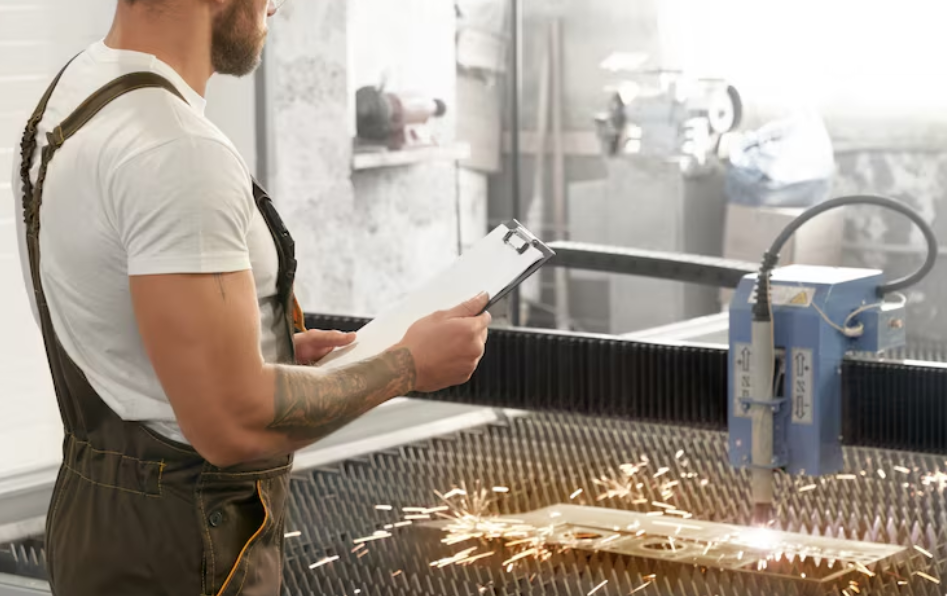
Choosing the right equipment is important for any business that works with metal fabrication. A laser metal cutting machine can improve cutting speed, accuracy, and overall production quality. However, different machines are designed for different materials, thicknesses, and production volumes. Understanding your specific requirements can help you make a practical and cost-effective choice.
Understand Your Production Requirements
Before purchasing a laser metal cutting machine, consider the type and amount of work your business handles. Think about how many parts you need to produce each day and how frequently the machine will be used. A small workshop with limited production needs may require a different machine than a large manufacturing facility.
You should also consider the size and shape of the metal sheets or plates you normally process. Selecting equipment that matches your regular workload can help prevent unnecessary expenses and improve workflow efficiency.
Consider the Materials You Cut
The type of metal you work with is another important factor. Different laser systems are suitable for materials such as mild steel, stainless steel, aluminum, brass, and other metals. Before choosing a laser metal cutting machine, make sure it is designed to handle the materials you use regularly.
Material thickness also matters. If your production involves both thin sheets and thicker plates, choose a machine with suitable cutting power and capabilities. Selecting equipment based on your current and expected material requirements can provide better long-term value.
Check Laser Power and Cutting Speed
Laser power directly affects the machine’s ability to cut different materials and thicknesses. Higher power can be useful for heavier materials, while lower power may be sufficient for thin metal sheets. However, choosing the highest available power is not always necessary.
Cutting speed should also be considered, especially if your business handles large production orders. A laser metal cutting machine with suitable power and efficient cutting performance can help reduce production time while maintaining consistent results.
Focus on Accuracy and Quality
Precision is essential when producing metal components that need to fit together correctly. Look for a machine that provides accurate cuts and consistent performance. Features such as advanced motion systems, reliable laser sources, and precise control software can contribute to better results.
The quality of the finished edge is also important. Clean cuts can reduce the need for additional grinding or finishing, helping your team save time and effort during production.
Consider Automation and Ease of Use
Modern laser cutting equipment can include automated loading, unloading, material handling, and production monitoring features. These options can be especially useful for businesses with high production demands.
At the same time, the machine should have controls and software that operators can learn and use comfortably. An easy-to-operate laser metal cutting machine can reduce training time and help minimize operating errors.
Review Maintenance and Support
Maintenance requirements should be considered before making a purchase. Ask about routine servicing, replacement parts, software updates, and technical support. Reliable after-sales assistance can help reduce downtime if an issue occurs.
It is also useful to check the machine’s expected operating costs. Energy consumption, maintenance, consumables, and replacement components can all affect the total cost of ownership.
Conclusion
Choosing the right laser metal cutting machine requires careful consideration of your production volume, materials, thickness requirements, cutting speed, accuracy, automation needs, and maintenance costs. Instead of focusing only on the initial price, consider how well the machine will support your daily operations and future growth. A machine that matches your specific production needs can improve efficiency, maintain quality, and provide better long-term value for your business.