
Sports cars are designed for excellent driving experiences. Their powerful engines and responsive handling make them attractive for collectors. However, some vehicles take performance and exclusivity to the next level. These vehicles are called hypercars and have the highest levels of engineering, speed, technology, and specialized materials.
Both sports cars and hypercars have similar features. However, there are some characteristics that make a hypercar different from an ordinary sports car.
Exceptional Performance and Speed That Makes A Hypercar Attractive For Sale
One of the biggest differences between hypercars and ordinary sports cars is their performance. Sports cars have amazing acceleration and top speeds. But hypercars extend these capabilities even further.
Many hypercars have extremely powerful engines, turbocharging systems, and aerodynamic designs. These features increase acceleration, power, and speed. Some models can reach speeds that are not possible for most conventional vehicles.
However, speed alone doesn’t make a vehicle a hypercar. Other factors, like engineering, exclusivity, and technology, make them stand out in the market.
Distinctive Design and Aerodynamics
Design is another area where hypercars stand apart. Sports cars have attractive shapes and styling. However, hypercars usually have more distinctive proportions.
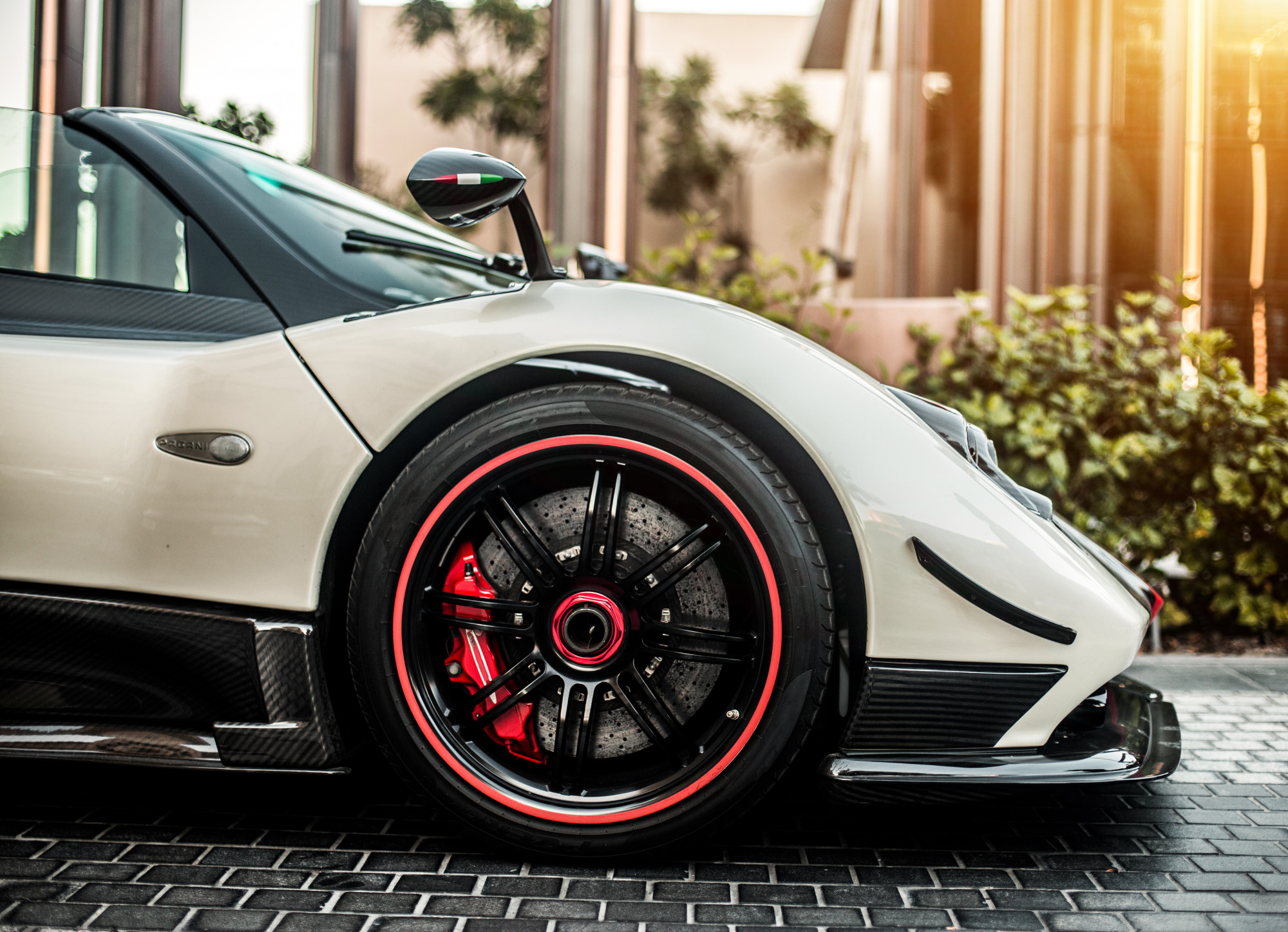
Some common features are beautifully sculpted bodywork, rear diffusers, adjustable wings, and large air intakes. They can improve cooling and maintain stability when the vehicle is running at high speeds. Some vehicles have designs that make them instantly recognizable. For example, the pagani huayra for sale is known for its sculpted bodywork and aerodynamics.
Advanced Engineering and Innovative Technology
Hypercars usually have engineering solutions that are developed to improve performance under demanding conditions. These vehicles have lightweight structures with specialized suspension, braking technology, and electronic controls.
For instance, many hypercars have carbon-fiber monocoques. It provides strength to the vehicle while also keeping its weight low. Some models also have active aerodynamic components that adjust according to driving conditions, enhancing performance.
Limited Production and Exclusivity
Ordinary sports cars are usually produced in large numbers. However, hypercars are produced in much smaller quantities. Some models are limited to a few hundred, and special editions are even lower in production numbers.
This limited availability is exactly what makes these vehicles attractive to collectors. Moreover, they can also choose customization, like selecting specific colors, materials, finishes, and other details. However, remember that exclusivity doesn’t mean that a vehicle will increase in value. The value depends on strong brand and specifications.
Premium Materials and Interior Craftsmanship
The materials used in hypercars usually show their premium positioning. Manufacturers can use high-quality materials, like carbon fiber, titanium, fine leather, and selected interior finishes, to have the perfect combination of performance and luxury.
Even small details are selected with extreme attention, like custom stitching, mechanical components, and finished surfaces. Some manufacturers also offer personalization, creating vehicles that suit the buyer’s preferences.
Higher Development and Ownership Costs
Hypercars usually have high development costs because they need research, engineering, testing, and manufacturing. These expenses can make the purchase price higher for many models. They also have significant ownership costs because of limited production numbers and use of specialized components.
Moreover, maintaining these vehicles requires specialized training and replacement parts that can be difficult to obtain, thereby raising costs.