

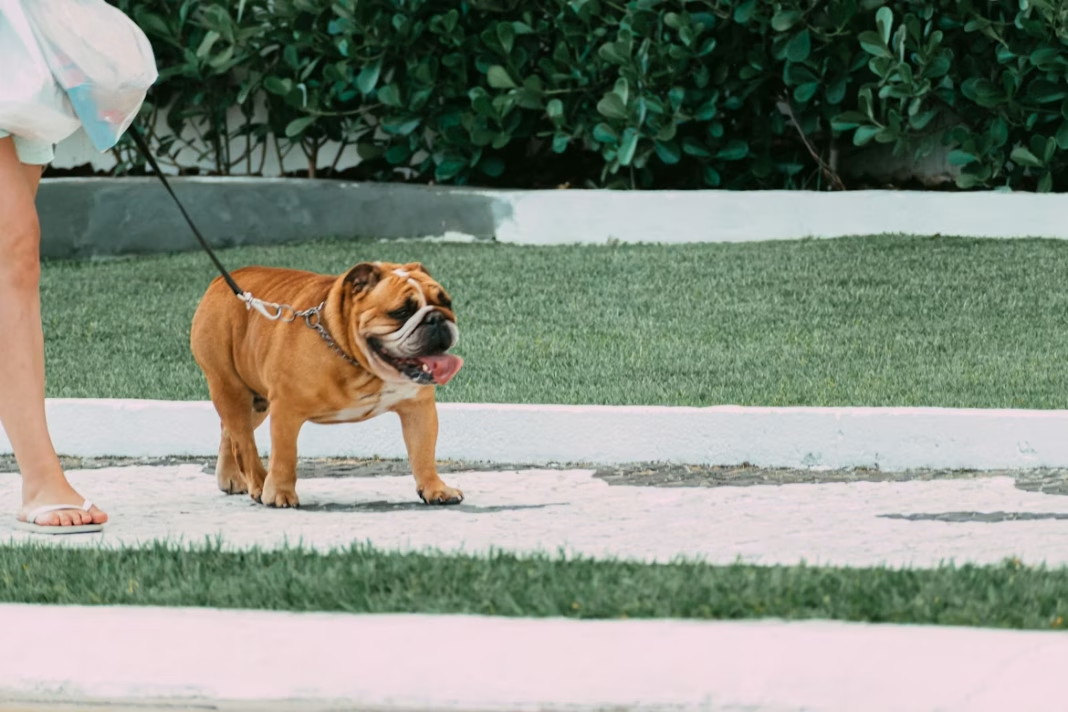
Training your new puppy is an exciting journey, and understanding when to start leash training a puppy helps you build good habits early. At Rob’s Dog Training, we guide dog owners through simple, effective steps that support long-term success. We want you to feel confident, comfortable, and ready to help your puppy learn in a stress-free way.
Bringing a puppy home comes with a blend of joy and responsibility, and part of creating a safe environment includes shaping calm behavior during walks. Leash training plays a key role in that progress. When done properly, it teaches your puppy patience, confidence, and focus. In this guide, we walk you through the right timing, the best methods, and realistic expectations so the process feels natural and enjoyable for both of you.
Why Early Guidance Matters for Puppies
Puppies learn fast, especially in their first few months of life. During this period, they absorb routines, boundaries, and social behavior with ease. Starting gentle training early sets the foundation for the years ahead. The goal is not to force lessons on your puppy but to teach in a calm, patient way that helps them understand what’s expected.
Early training also strengthens your bond. When your puppy begins to understand your cues and respond positively, daily life becomes easier. Walks feel smoother, new environments become less overwhelming, and your puppy grows into a well-mannered adult dog.
Understanding Your Puppy’s Learning Stage
Puppies experience several phases of development, and each one affects how they respond to training.
0–8 Weeks: Foundation and Comfort
In the earliest stage, your puppy focuses mostly on bonding, adjusting to their new world, and staying close to their mother and littermates. At this time, structured leash training is not necessary. Instead, you focus on comfort, gentle handling, and building trust.
8–12 Weeks: Curiosity Begins
Once your puppy comes home with you, curiosity starts to grow. This is a perfect time for small introductions to new experiences, one of these experiences is wearing a lightweight collar or harness indoors. During this stage, puppies respond well to short, stress-free training moments.
12–16 Weeks: Ideal Learning Window
Most puppies show confidence around this age. They have the attention span for short lessons, and they are eager to please. This period is often the ideal starting point for structured leash practice.
By knowing which stage your puppy is in, you can adjust your methods to make learning easier for them.
Preparing Your Puppy Before Formal Leash Training
Before your puppy practices walking beside you, a few steps help them feel comfortable.
Introduce the Collar or Harness Slowly
Start by letting your puppy wear a collar or harness indoors for a few minutes at a time. Pair the experience with soft encouragement. As your puppy becomes more comfortable, gradually increase the duration.
Present the Leash as Something Normal
Clip the leash on while your puppy plays or relaxes with you. Don’t start walking yet. Let them get used to the slight pressure of the leash without adding direction or correction.
Practice Name Recognition
This creates communication between the two of you. When your puppy looks at you after hearing their name, you build the foundation for future walking cues.
With these steps, formal training later on becomes smoother and more enjoyable.
Gentle Techniques for Early Leash Lessons
Once your puppy feels comfortable wearing a collar or harness, you’re ready for simple training exercises.
Practice Indoors First
Your home is a familiar and calm place. Start walking a short distance inside. Use an encouraging tone to get your puppy to follow you. When they walk beside you without pulling, pause and show appreciation.
Keep Sessions Short
Your puppy has a very small attention span. Quick sessions,5 to 10 minutes, are more effective than long, tiring lessons. The goal is to build comfort, not overwhelm them.
Use Simple Directional Movement
Walk a few steps forward, stop, then change direction. This helps your puppy understand that staying close to you has a clear purpose. With repetition, they start to follow your lead naturally.
Stay Calm and Patient
Puppies respond to your mood. If you stay relaxed, your puppy stays relaxed. Patience is one of the most powerful tools you can use during training.
Preventing Common Training Challenges
All puppies face challenges as they learn. Knowing what to expect helps you guide them gently.
Pulling Forward
Puppies often move toward things that excite them. If your puppy pulls, pause instead of moving forward. When the leash softens, continue walking. This teaches them that moving ahead only happens when the leash stays loose.
Getting Distracted
New sights, smells, and sounds can make your puppy look everywhere except at you. Gradually introduce distractions rather than exposing them to too much stimulation at once.
Sitting and Refusing to Move
This usually means your puppy feels uncertain. Give them a moment to observe their surroundings. When they seem calmer, encourage them with a soft voice and slow movement.
Trying to Chew the Leash
This is common during the early stages. Redirect their focus with gentle cues or a short pause in movement. Avoid tugging on the leash, as it may turn chewing into a game.
Taking Leash Training Outdoors
Once your puppy is comfortable indoors, you can introduce short outdoor walks. Outdoors offers new sights and smells, so be patient as your puppy adjusts.
Choose Quiet Areas First
A calm environment helps your puppy stay focused. Avoid busy streets or crowded parks in the beginning.
Walk in Short Intervals
Your puppy may become tired or distracted quickly. Start with brief walks and gradually increase the distance.
Encourage Checking In
Whenever your puppy looks back at you, pause and show appreciation. This helps build attention and connection.
With time, your puppy becomes more confident, and walks become peaceful and enjoyable.
Building Long-Term Walking Habits
Leash training is not a one-time activity, it’s a gradual practice. As your puppy grows, they learn to understand your pace, your direction, and your expectations. Consistency helps your puppy feel secure, and soon daily walks become a natural routine.
Staying engaged with your puppy during walks also strengthens your relationship. They look to you for guidance, and you help them feel safe. Over the months, you’ll notice your dog’s behavior improving steadily, making each walk smoother than the last.
Final Thoughts
Knowing when to start leash training a puppy helps you create healthy habits early and build a strong bond with your dog. At Rob’s Dog Training, we support dog owners like you with simple and effective training methods that guide your puppy through each stage with confidence. If you’re ready to help your puppy grow into a well-mannered companion, you can visit us at their official website at https://robsdogs.com/. With the right start and consistent practice, your daily walks will feel natural, calm, and enjoyable for both of you.


